2025 Pentesting: AI-Driven Security is a Must
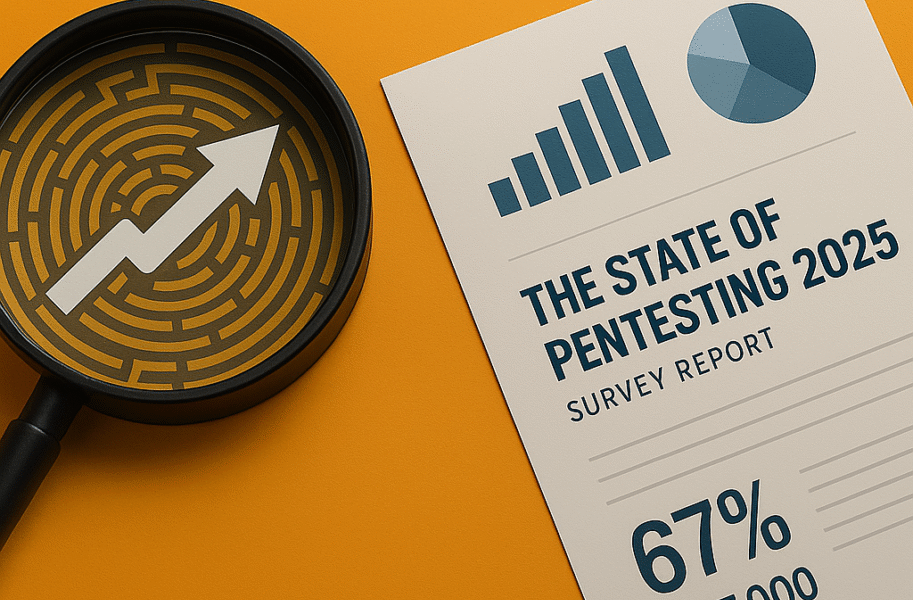
Pentera’s 2025 State of Pentesting report reveals a cybersecurity landscape demanding rapid change. Despite complex security stacks, breaches remain prevalent, with 67% of US enterprises experiencing one in the last two years. The report highlights a critical need for continuous security validation, driven by the increasing complexity of systems and the sophistication of modern threats. The sheer volume of alerts generated by numerous security tools often overwhelms security teams, delaying responses and allowing threats to persist. The rise of software-based pentesting, adopted by over 55% of organizations, addresses this by providing scalable, repeatable, and real-time vulnerability assessments. These automated platforms simulate various attacks, enabling continuous resilience evaluation without disrupting operations. This shift is further fueled by cybersecurity insurers, with 59% of enterprises implementing new tools at their insurer’s request. While average annual pentesting budgets are $187,000 (10.5% of total IT security spend), a significant gap exists: frequent infrastructure changes (96% quarterly) are not matched by equally frequent pentesting (only 30% quarterly). This disconnect highlights a crucial vulnerability. The report emphasizes the importance of risk alignment, with web-facing assets, internal servers, APIs, and IoT devices prioritized for testing. Interestingly, pentest results are increasingly actionable, with 62% of enterprises immediately using findings for remediation. However, budget constraints and a shortage of skilled pentesters remain significant barriers. The report concludes that AI-driven, software-based pentesting is no longer optional; it’s a strategic imperative for organizations to maintain cyber resilience in this evolving threat landscape.
As cyberthreats evolve rapidly, ai automation pentesting has become essential for organizations seeking comprehensive vulnerability assessments at unprecedented speed and scale.
Modern penetration testing frameworks are increasingly integrating chatgpt automation security tools to streamline vulnerability assessment and threat detection processes.