AI Personalization: Tailoring Reality or Distorting It?
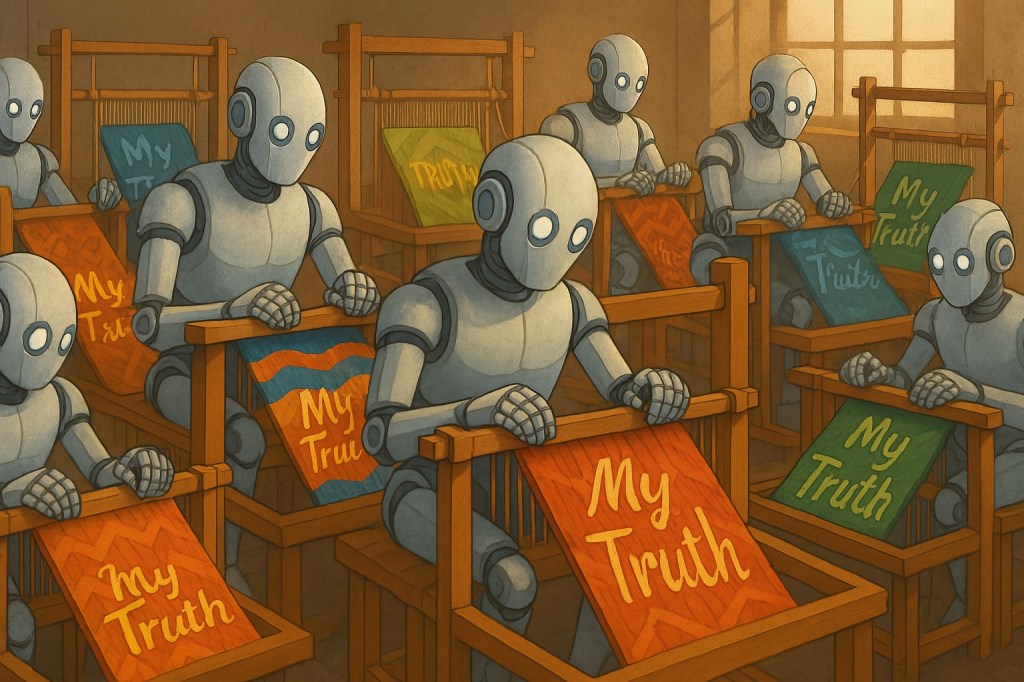
The increasing personalization of AI systems raises significant concerns about its impact on our shared reality. As AI adapts to individual users, it creates unique versions of reality for each person, potentially leading to a fragmentation of truth and hindering our ability to agree on fundamental facts. This divergence in perceived reality could have serious consequences for navigating collective challenges and making informed decisions as a society. The article highlights the subtle yet profound ways in which AI’s personalization algorithms shape our information intake and influence our understanding of the world. The technology itself isn’t inherently flawed, but the way it is designed and deployed has the potential to create filter bubbles and echo chambers, reinforcing existing biases and limiting exposure to diverse perspectives. This lack of exposure to counterarguments and alternative viewpoints can lead to polarization and erode the common ground necessary for productive discourse and collaboration. While AI offers immense potential benefits, the personalization aspect necessitates careful consideration of ethical implications and the potential for manipulation. The lack of transparency in how these algorithms function further complicates the issue, making it difficult to assess their impact and mitigate the risks. The target audience for this concern is broad, impacting everyone who uses AI-powered systems, from social media users to those relying on AI for news and information. The technical specifications of the AI algorithms themselves are not the main focus, but rather the broader societal implications of their personalized output. Mitigating this issue requires a multi-faceted approach, including promoting media literacy, developing more transparent AI systems, and fostering critical thinking skills to help individuals better navigate the increasingly personalized information landscape. Ultimately, the challenge lies in harnessing the benefits of AI personalization without sacrificing our shared understanding of reality.
The rise of ai automation personalization has sparked intense debate about whether customized experiences enhance user satisfaction or create harmful filter bubbles.
Modern chatgpt automation personalization systems raise critical questions about whether algorithmic customization enhances user experience or creates harmful information bubbles.
(Source: https://venturebeat.com/ai/weaving-reality-or-warping-it-the-personalization-trap-in-ai-systems/)