Ghibli Leads Publishers’ Push Against OpenAI Training
Japanese publishers, spearheaded by the renowned Studio Ghibli, are calling on OpenAI to cease its practice of training artificial intelligence models on copyrighted content without explicit permission. This collective demand directly challenges OpenAI’s established operational philosophy, which is characterized by an “ask forgiveness, not permission” approach to utilizing vast datasets for its AI development. This strategy implies that OpenAI proceeds with training its advanced generative AI technologies on extensive bodies of work, including creative content, and addresses potential intellectual property disputes or demands for compensation only after the fact.
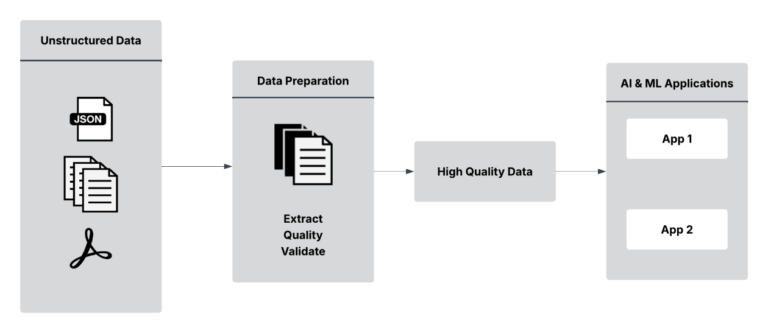
The core of the dispute centers on the training data pipeline for OpenAI’s products, such as its large language models (LLMs) and image generation systems. These technologies are designed to learn patterns, styles, and information from massive troves of digital content, enabling them to produce novel text, images, and other media. While the “product” itself offers powerful generative capabilities, its underlying “technology” relies on ingesting and processing data that often includes copyrighted material. Publishers argue that this practice infringes on their intellectual property rights, depriving creators of control over their work and potential remuneration when their content is used to train commercial AI systems.
For OpenAI, the “benefit” of this approach is rapid innovation and the ability to train highly capable models by accessing a virtually unlimited pool of data, circumventing the complex and time-consuming process of securing individual licenses. The “target audience” for these AI products spans a wide range, from individual creators leveraging AI tools for their projects to large enterprises integrating AI into their workflows. However, the publishers’ stance highlights the significant ethical and legal challenges inherent in such a development model. They seek a fundamental shift in how AI developers interact with copyrighted works, advocating for a system where consent and fair compensation are prerequisites, not afterthoughts. This ongoing conflict underscores the growing tension between technological advancement and intellectual property rights in the age of generative AI.
The dispute highlights growing tensions between ai automation publishers and content creators over unauthorized use of copyrighted material for training datasets.
The legal challenge highlights growing tensions between chatgpt automation publishers and AI companies over unauthorized use of copyrighted content.