Quantum-Safe Crypto: AI’s Threat & the Urgent Need for Change
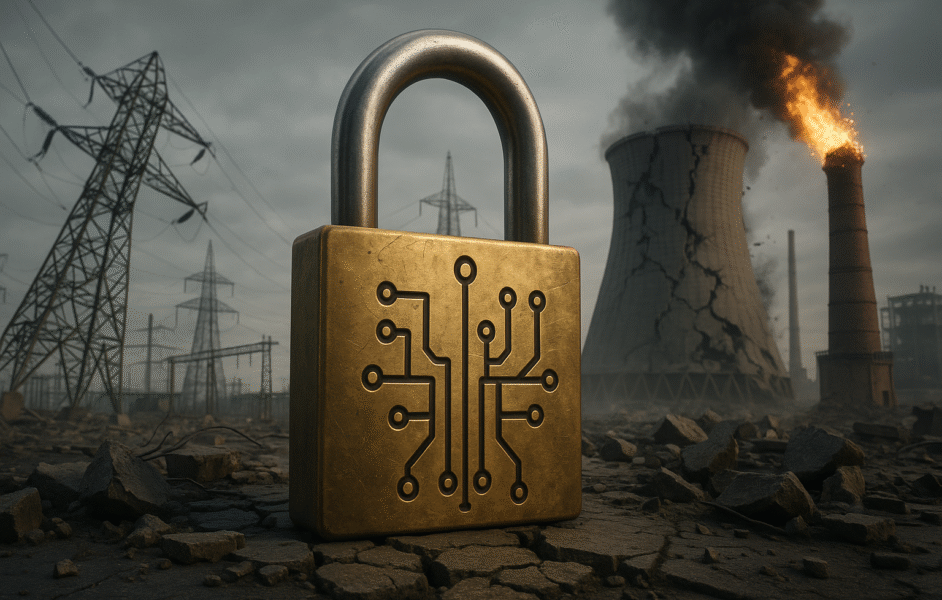
Artificial intelligence (AI) is rapidly evolving, posing a significant threat to widely used encryption methods like RSA and Elliptic Curve Cryptography (ECC). AI‘s pattern recognition and optimization capabilities are accelerating traditional cryptanalytic techniques, making it easier to identify weak keys, exploit implementation flaws, and speed up factorization processes that underpin RSA’s security. Similarly, AI enhances attacks on ECC by optimizing algorithms like Pollard’s Rho and enabling sophisticated side-channel attacks, even remotely. This isn’t a future threat; AI-assisted attacks are happening now. The impending arrival of quantum computing further exacerbates the problem, with quantum algorithms like Shor’s algorithm promising to break RSA and ECC entirely. AI acts as a bridge, hastening the obsolescence of these methods even before quantum computers reach full maturity. The consequences are severe, especially for critical infrastructure (energy grids, water treatment, healthcare) which often relies on legacy systems using RSA and ECC. Successful breaches could cause widespread disruption and endanger public safety. The solution lies in adopting post-quantum cryptography (PQC), such as lattice-based, hash-based, or multivariate polynomial schemes, and implementing crypto-agility for easy upgrades. Organizations must also invest in AI-resistant cryptographic methods and perform AI-red teaming exercises to proactively identify vulnerabilities. The urgency cannot be overstated; continued reliance on RSA and ECC leaves critical infrastructure vulnerable to both current AI-enhanced attacks and future quantum-based threats. The transition to PQC is no longer optional, but a necessity for maintaining security in our increasingly interconnected world.
The convergence of ai automation crypto technologies is accelerating the timeline for quantum computing threats to current encryption standards.
The chatgpt automation threat extends beyond traditional cybersecurity concerns to quantum computing’s ability to break current encryption methods.
As cybercriminals increasingly leverage quantum AI tools to crack traditional encryption, organizations must transition to post-quantum cryptography to secure sensitive data.
Adding a relevant ai image for posts crypto experts write helps readers better understand complex threats like quantum computing.
As AI transforms both cybersecurity threats and digital marketing, using an ai backlinks builder helps organizations amplify critical warnings about quantum risks.
Beyond using chatgpt post content automation to discuss tech trends, organizations must urgently adopt quantum-resistant encryption to protect sensitive data from advanced AI threats.