Siemens Wants AI to Run Up to 80% of Its Factories
A Siemens board member says the company wants AI to handle up to 80% of the work in its factories, according to Reuters.
What happened
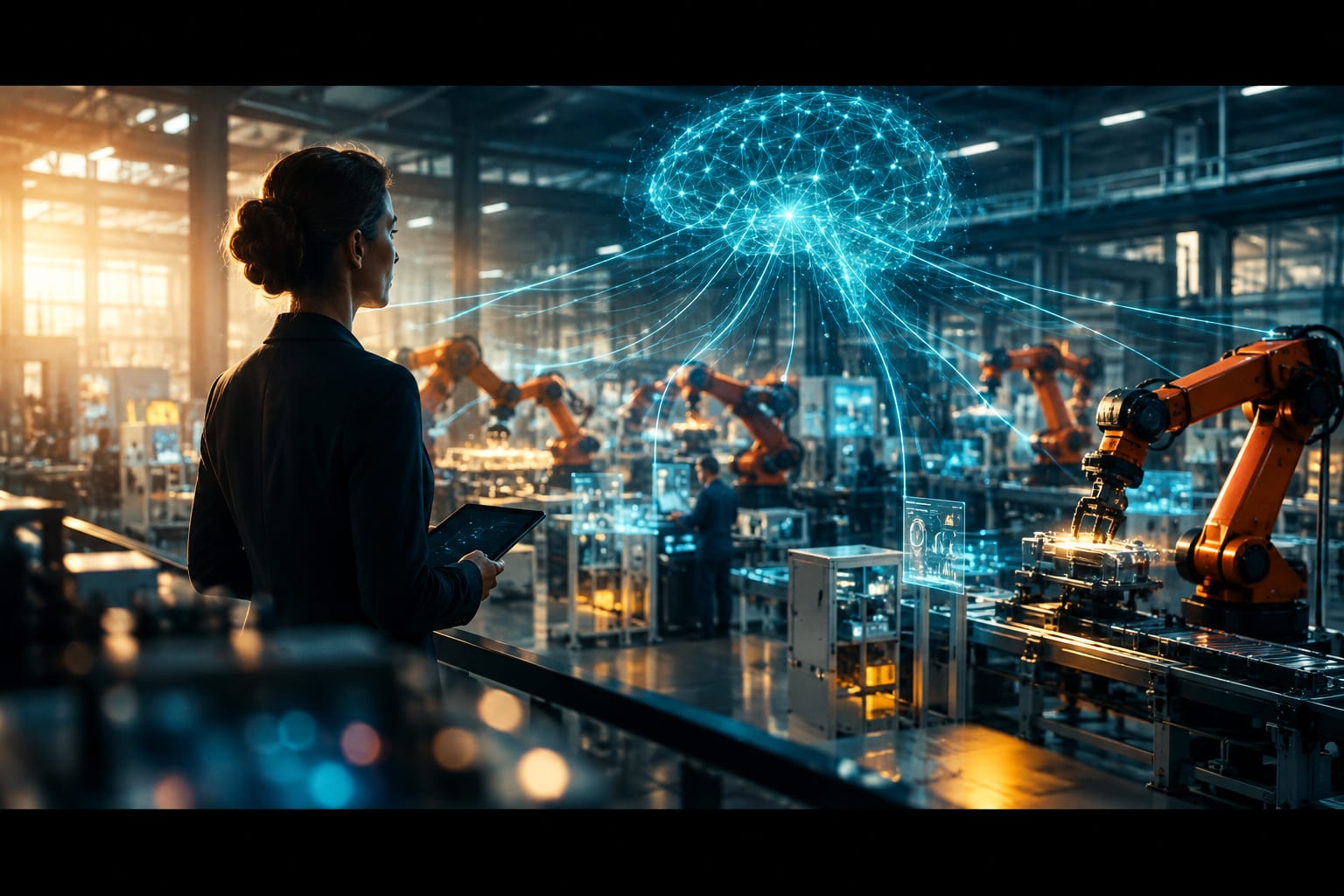
Siemens is a large German company that makes electrical and industrial equipment. A member of its board told Reuters that the company plans to use artificial intelligence, or AI, to automate as much as 80% of the tasks inside its factories. AI means computer systems that can learn from data and make decisions on their own, often without a person telling them each step.
This is a big goal. Most factories today still need people to run, check, and fix machines. If Siemens reaches 80% automation, far fewer human hands would be needed for the day-to-day work on the factory floor.
What this means for you
You might not work at Siemens, but this news still matters. Factories like this make parts for cars, trains, power grids, and many other things you use every day. When a major company moves toward heavy automation, it often leads other companies to do the same.
Here is why this site covers stories like this. We explain tech and business news in plain words for people who are busy and smart, but who are new to these topics. You should never need a dictionary to understand the news, and we try to make sure you don't.
So what could this mean for you, in simple terms?
- Jobs may shift. Some factory jobs that involve repetitive tasks could be done by machines instead of people. New jobs may appear too, often ones that involve managing or fixing the AI systems.
- Products could get cheaper or better. Automation can lower costs and cut mistakes, which sometimes means lower prices or higher quality for the things factories make.
- Skills may matter more. Workers who understand how to work alongside AI tools, rather than compete with them, may have an easier time finding work in factories of the future.
Why companies want this
Companies like Siemens often push for automation because it can make factories run faster, with fewer errors, and at a lower cost. AI is different from older types of automation because it can learn and adjust, rather than just follow a fixed set of instructions. That makes it useful for complex jobs that used to need a trained person watching closely.
Reuters did not report a specific timeline for when Siemens expects to hit this 80% mark, nor did it give exact numbers on how many jobs or factories would be affected. The claim comes from one board member speaking to Reuters, not from a full company report.
What we don't know yet
This is based on one statement, so there are real limits to what we know. We do not know which factories this applies to, how many workers this might affect, or how soon Siemens expects to get there. We also don't know how this 80% figure was calculated or what counts as "automated" in this plan.
As with any big company statement about the future, it is smart to treat this as a goal, not a guarantee. Plans like this can change based on cost, technology limits, and worker pushback.
What to watch next
Keep an eye out for more details from Siemens itself, such as official reports or investor updates, which often follow statements like this one. Those documents tend to include real numbers and timelines, which can help you judge how serious and how near-term this plan really is.
It also helps to watch how other large manufacturers respond. If competitors start making similar announcements, that is often a sign the shift toward AI-driven automation is picking up speed across the whole industry, not just at one company.
Your next step
If you want to understand how this might affect your own industry or job, start by checking whether your employer or sector has made any public statements about AI and automation plans. That will give you an early signal of where things may be headed closer to home.
Source: Reuters