Fed Chair Warns AI Could Cost Jobs and Push Unemployment Higher
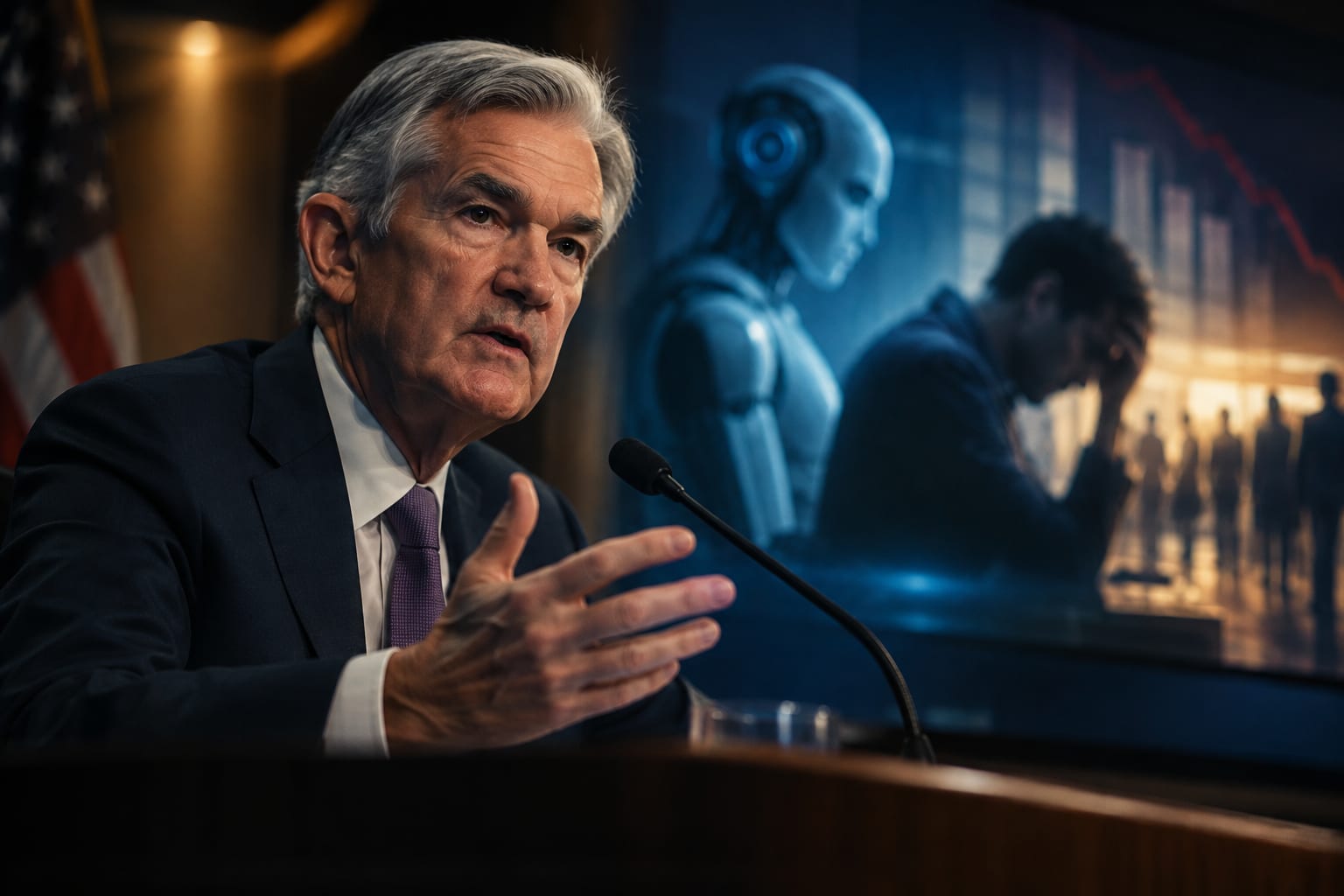
Kevin Warsh, the head of the Federal Reserve, says artificial intelligence (AI, or computer systems that can do tasks that once needed a human) could lead to job losses and push unemployment up.
Warsh spoke at a Federal Reserve conference in San Francisco on Monday. He said AI could bring big gains in how much work gets done. But he also warned it could hurt workers if machines take over jobs faster than new jobs are created.
Warsh said job displacement, which means workers losing their jobs to automation, is one of the less welcome outcomes of AI use. He said companies are working AI into their operations now, and this could raise unemployment. He added that the damage might not stop at individual job losses. It could also hit the wider job market and slow down the economy as a whole.
Warsh also raised a second worry. He said AI might not deliver the big financial payoff that businesses and investors expect right now. He said, "After significant capital investment and stock market gains, expected returns could turn down and equity valuations could fall, leading to an economic slowdown and a more notable rise in unemployment." He added that the economy would eventually recover, but without the productivity gains companies were hoping for.
This means companies could spend huge amounts of money on AI technology and still not see the payoff they expected. That kind of letdown could shake stock markets and slow the whole economy, Warsh said.
Warsh made clear the Fed is not trying to push AI forward or hold it back. He said, "Our job is to prepare for whatever comes next." The Fed has brought together a group of AI experts to study what the technology could mean for jobs, productivity, and the Fed's own policy work.
He said, "Our role in all this is neither advocacy nor opposition. Our responsibility is to recognise that the widespread adoption of this technology will have a significant impact on the economy, with important implications for monetary policy down the road." The group that met included business leaders, economists, academics, and tech experts. They talked about how AI could change the economy and jobs. Warsh said the big questions still open are how large these changes will be, how far they will spread, and when they will hit.
What this means for you
This site exists to explain stories like this one in plain words, for people who are busy but want to understand what is going on. You should not need a dictionary to follow the news, and that is the goal here too.
If you work a job that could be touched by automation, this warning is worth paying attention to. It does not mean your job is gone tomorrow. But it is a signal from one of the most powerful economic voices in the country that AI could shake up the job market in the near future.
Here is what you can do with this news
- Keep an eye on how AI is being used in your own industry, not just in tech news.
- Think about skills that are harder to automate, such as judgment calls, hands-on work, or dealing directly with people.
- If you run a business, weigh AI spending carefully. Warsh's warning suggests the payoff is not guaranteed.
- Watch for future Fed statements, since this expert group's findings could shape policy decisions that affect jobs and interest rates.
Nothing here means you need to panic. It does mean you should stay informed as this story develops.
As a next step, take a few minutes this week to check whether your employer or industry has said anything about AI plans. That small step can help you stay ahead of any changes instead of being surprised by them.
Many businesses are now adopting ai tools to automate routine tasks, which is prompting closer scrutiny of how these changes will affect employment across different industries.
Bloggers covering AI’s economic impact often pair their analysis with a relevant ai image for posts that helps readers visualize shifting workplaces.
Many marketing teams now use post content automation tools to schedule and publish social updates, though economists debate how far such technology will reshape employment overall.
Source: People Matters – HR News